How to Reduce Online Fashion Returns: 7 Proven Methods for 2026

Quick answer
Returns are one of the largest hidden costs in fashion ecommerce. Every returned item carries return shipping, restocking, inspection, and often a markdown or a write-off, on top of the lost sale and the support time. For clothing specifically, return rates run far higher than most other categories, and the reasons are consistent. The good news: most of them are addressable before checkout, not after.
Why do customers return clothes they bought online?
Before you can cut returns, it helps to be honest about what actually causes them. In fashion, the reasons cluster tightly:
- Wrong fit. The single biggest driver. A size medium is not the same medium from one brand to the next, and a shopper has no reliable way to know how a specific piece will sit on their body.
- Looked different in person. The product photo showed a model with a different body, or the color, drape, or length read differently than expected.
- Ordered multiple sizes on purpose. When shoppers are unsure, they buy two sizes intending to return one. Every uncertain purchase is a built-in return.
- Quality did not match expectation. The fabric or finish felt different from what the listing implied.
Notice that almost every reason is an information gap. The shopper did not have enough to judge the item correctly at the moment of purchase. Close the gap, and the return does not happen.
How to reduce online fashion returns
These are the levers that actually move the number, roughly in order of impact:
- Give shoppers fit confidence before they buy. This is the highest-leverage move because fit is the biggest cause. The more concretely a shopper can judge how a piece will look and sit on their own body, the less they are guessing.
- Make sizing specific and honest. Generic size charts are weak. Per-product measurements, fit notes (runs small, relaxed cut), and model-height-and-size context all help.
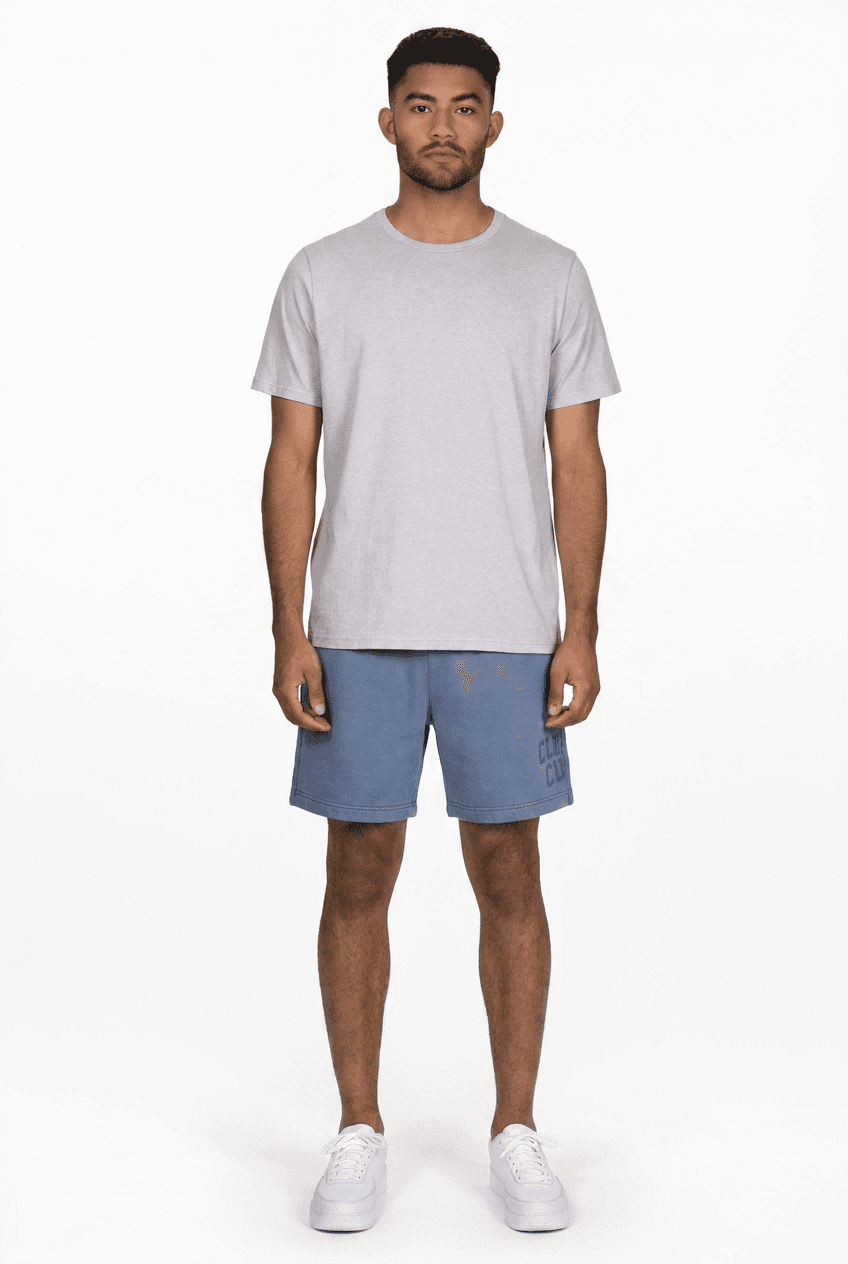
- Show the garment realistically. Multiple angles, movement, and on-body imagery beat a single flat-lay. Product video can cut return rates further when combined with try-on. The less a shopper has to imagine, the fewer surprises on arrival.
- Surface real reviews with fit signals. Reviews that mention how a piece fit a real body are some of the most useful information a store can show.
- Make exchanges easier than returns. When fit is the issue, a smooth size exchange keeps the sale instead of losing it.
How virtual try-on reduces returns
Virtual try-on attacks the number one cause, fit and expectation, directly. Instead of imagining how a garment will look, the shopper sees it on their own body before buying. That does two things at once: it replaces guesswork with a real preview, and it reduces the defensive habit of ordering multiple sizes to return the wrong ones.
Corlen is built around exactly this. A shopper uploads or captures a photo, picks a garment from the store's real catalog, and sees themselves wearing it, in their own size, in seconds. Because it can factor in the shopper's own build rather than assuming a perfect fit, the preview reflects how the piece would actually sit, which is the part a static product photo can never show.
Getting started
You do not need to rebuild your store to start cutting returns. If you run on Shopify, Corlen adds a try-on button directly to your product pages, so shoppers can see themselves in an item without leaving the page. If you run on WooCommerce, see how to add virtual try-on to a WooCommerce store. Physical stores can use the in-store kiosk, and teams building their own experience can use the API. The common thread is simple: the more confidently a customer buys, the less comes back. This applies to every category, from kids clothing (where returns are even higher because children grow fast) to luxury fashion (where a single return is expensive for the store and the customer) to maternity clothing (where fit changes week to week). For the full return rate data behind these numbers, see fashion ecommerce return statistics. If peak season returns are your top concern, reducing returns on Black Friday and Cyber Monday covers the specific tactics that work at volume.
Want to see it first? You can try Corlen on your own photo in a few seconds, no account needed, and judge the preview quality for yourself before putting it in front of customers.
Frequently asked questions
Why are return rates so high for online clothing?
Most fashion returns come down to fit and expectation. A shopper cannot try the item before it arrives, size labels are inconsistent between brands, and a product photo on a model does not show how the piece looks on the shopper's own body. When it arrives wrong, it goes back.
Does virtual try-on reduce returns?
It targets the biggest cause directly. By letting a shopper see a garment on their own body, in their own size, before buying, virtual try-on removes much of the guesswork that drives fit-related returns, so more of what ships is what the customer actually wanted.
What is the biggest driver of clothing returns?
Fit and the gap between expectation and reality. Wrong size, and the item looking different in person than it did in the product photo, are the two reasons that show up again and again. Both are addressable before the order ships.
How can a Shopify store lower its return rate?
Give shoppers better information before they buy: accurate sizing guidance, real imagery, honest reviews, and ideally a way to see the garment on themselves. Corlen adds a virtual try-on button directly to Shopify product pages so shoppers buy with more confidence.
Ready to add real try-on to your store?
Install Corlen on Shopify in minutes, or build it into your own platform with the developer API.
Similar posts
Virtual Fitting Room Software: What It Is and How to Choose One
Virtual fitting room software covers AR overlays, 3D body scanning, and AI photo try-on. Here is what each actually does and how to pick the right one.
Read articleGuidesVirtual Try-On for Big and Tall Clothing: Solving Two Fit Problems at Once
Big and tall sizing has to solve girth and length at the same time, and a size chart alone rarely does both. Here is what a fit preview needs to get right.
Read articleGuidesVirtual Try-On for Halloween Costumes: Why Costume Sizing Is Its Own Problem
Costume sizing rarely matches everyday clothing charts, and a bad fit often arrives too close to the date to fix. Here is how a fit preview helps.
Read articleSee it on your own photo
Corlen shows your customers how any garment looks on their own body, in seconds. Try it free, no account needed.
Try Corlen free