Size Bracketing: Why 63% of Shoppers Order Extra Sizes to Return

Quick answer
Most return-rate conversations treat every return as the same problem. Bracketing hides inside that number. A shopper who orders a shirt in small, medium, and large, keeps the medium, and sends the other two back counts as two separate returns on most dashboards, even though it was one purchase decision, made because the store never told them which size would actually fit.
What is size bracketing?
Bracketing is ordering the same product in more than one variant, most often size, with a plan to return everything except the one that works. It is not theft and it is not fraud in the way wardrobing is; the shopper intends to keep and pay for one item. The problem for a retailer is that it turns one sale into two or three shipments, two or three return processes, and a good chance that at least one of the returned garments cannot be resold at full price.
Optoro's 2024 State of Returns Report breaks bracketing down by what shoppers actually over-order on. Size leads by a wide margin.
- Size: around 40 percent of bracketing behavior, the most common form by far.
- Color: about 35 percent.
- Style: about 24 percent.
- Price range: about 11 percent, ordering across a few price points to compare quality.
Why do shoppers bracket sizes in the first place?
Statista surveyed US shoppers on exactly this question, and the answers point almost entirely at missing information, not indecision for its own sake.
| Reason shoppers give for bracketing | Share who cite it |
|---|---|
| Sizing options were not clear | 48% |
| Could not try the item on in a physical store | 36% |
| Unfamiliar with how the brand fits | 26% |
| Buying after a weight or body change | 23% |
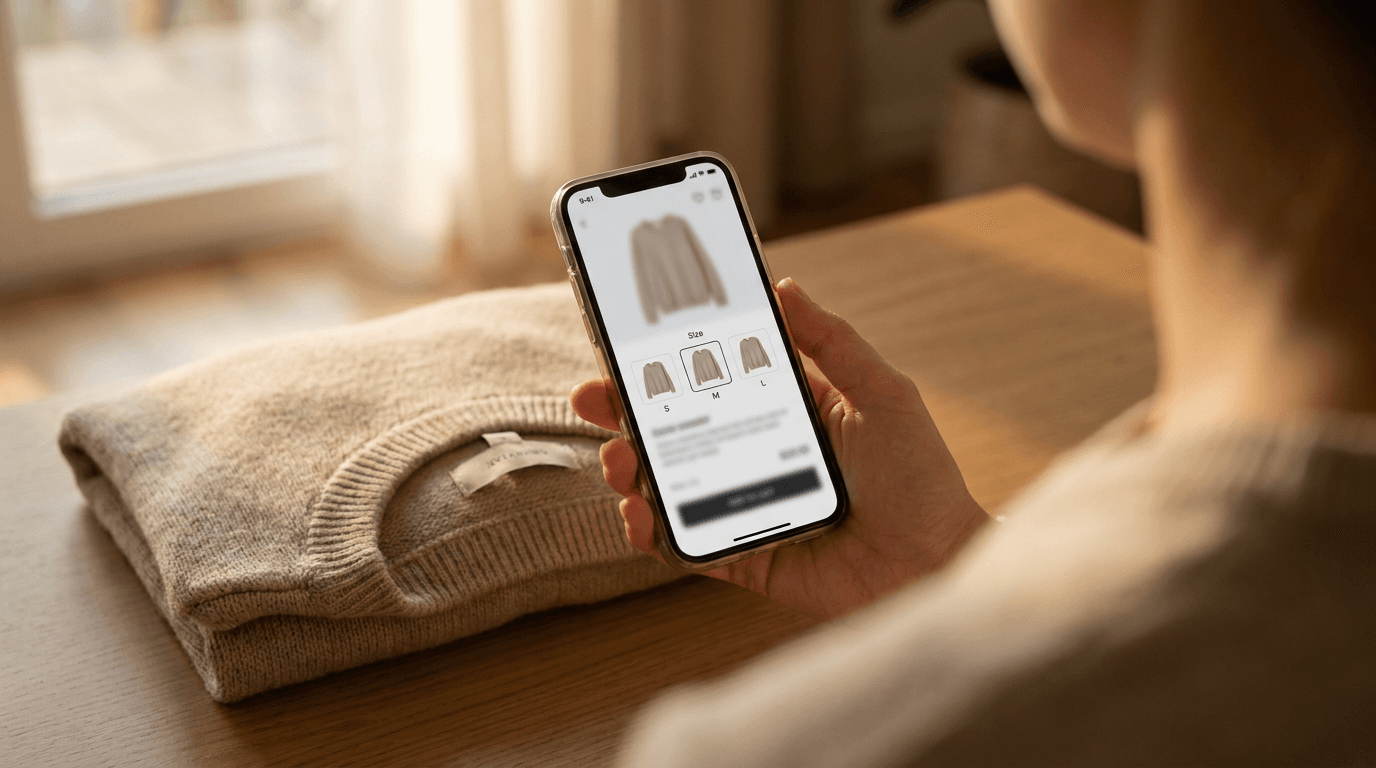
Two of those four reasons, unclear sizing and no way to try before buying, are exactly what a photo based fit preview solves. The other two, brand unfamiliarity and a changed body shape, are also fit questions at their core; a shopper who does not know how a new brand runs, or how their own body has changed, is trying to answer the same question a size chart cannot: what will this specific garment actually look like on me.
How much does bracketing actually cost a retailer?
Every bracketed order multiplies the standard cost of a return by however many extra sizes went out. Our fashion return cost calculator post covers the baseline: returns cost an average of 21 percent of order value once reverse shipping, inspection, and restocking are counted. A single bracketed purchase can trigger that cost two or three times over for what was, from the shopper's perspective, one buying decision.
Fit and sizing intelligence company True Fit reports that retailers using its measurement based fit prediction see bracketing-driven returns fall by 24 percent at multi-brand retailers and by as much as 50 percent at single-brand, direct-to-consumer sellers. The gap between those two numbers is itself informative: a single-brand retailer can tune fit guidance around one consistent size run, while a multi-brand retailer is fighting inconsistent sizing across every label in its catalog, a harder problem to solve with a size chart alone.
Do return fees stop bracketing, or does a fit preview?
Zara has charged a fee for mail-in returns in the US since 2022 ($3.95 at launch, now $4.95, deducted from the refund; returns to a physical store stay free). Retail trade coverage ties that fee, paired with the AI virtual try-on tool Zara added to its app in 2026 (covered in our Zara and Zalando piece), to both better protected gross margin and reduced bracketing specifically, not just a lower overall return rate.
The two levers work at different points in the purchase. A return fee acts after the order: it raises the cost of guessing wrong, which discourages ordering three sizes on the assumption that returning two is free. A fit preview acts before the order: it answers the sizing question the shopper would otherwise have solved by bracketing, so there is less reason to order extra sizes at all. Retail press has also described return fees as the more contentious of the two with shoppers, since a fee reads as a penalty; a fit preview carries no equivalent downside, since it adds information rather than removing money.
What actually reduces size bracketing?
None of these fixes replace the others. They target different pieces of the same behavior.
- A pre-purchase fit preview. Directly answers the two most cited reasons shoppers bracket: unclear sizing and no way to try an item on. This is the specific gap Corlen closes, letting a shopper see a garment on their own uploaded photo before they buy it.
- Clear, garment specific size charts. Reduces the brand-unfamiliarity reason, though it does nothing for a shopper who cannot picture how a cut will sit on their own frame.
- Measurement based fit prediction. True Fit's own results above show this works, especially for single-brand retailers with a consistent size run.
- A return fee on mail-in orders. A blunt deterrent, best used once the other three have already reduced the underlying need to over-order.
For the broader case on reducing fashion returns overall, see how to reduce online fashion returns. To put a number on what bracketing and other fit-driven returns are costing your own store, try the return cost calculator, and if you run a Shopify store, see how Corlen installs on a product page. Or try Corlen on your own photo to see what a shopper sees before they ever have to guess a size.
Frequently asked questions
What is size bracketing?
Size bracketing is when a shopper orders the same item in two or three sizes, planning to keep the one that fits and return the rest. It shows up on a returns dashboard as several separate returns, even though it was one purchase decision driven by uncertainty over which size to buy.
How common is size bracketing?
Optoro's 2024 State of Returns Report found 63 percent of US ecommerce shoppers admit to bracketing in some form, and apparel and accessories are the category where it happens most, cited by 35 percent of shoppers who bracket. Size is the single most common thing shoppers bracket on, ahead of color, style, or price range.
Does virtual try-on actually reduce bracketing, or just returns in general?
It targets bracketing specifically. Statista data shows the top two reasons shoppers bracket are unclear sizing information and not being able to try an item on before buying, cited by 48 percent and 36 percent of shoppers respectively. A photo based fit preview answers both directly, before the shopper ever places the extra-size order.
Do return fees stop bracketing?
They discourage it after the fact by making a wrong guess cost something. Zara has charged a fee on mail-in US returns since 2022, now $4.95, and retail press has tied that fee, combined with the AI virtual try-on tool it added later, to reduced bracketing and better protected margin. A fee changes the cost of guessing wrong. A fit preview removes the need to guess in the first place.
Is bracketing the same thing as wardrobing?
No. Bracketing is a shopper trying to solve a sizing problem by over-ordering, with no intent to keep more than one item. Wardrobing is a shopper who plans to wear an item once and return it regardless of fit. They need different fixes; see our guide on wardrobing return fraud for that distinction.
Ready to add real try-on to your store?
Install Corlen on Shopify in minutes, or build it into your own platform with the developer API.
Similar posts
Fashion Returns Average 21% of Order Value: Calculate Yours
Returns cost online retailers an average 21% of order value. Use Corlen's free calculator to find your own store's number, based on sourced industry data.
Read articleGuides7 Common Virtual Try-On Problems (and What Actually Causes Them)
From slimming bias to pasted-on garments, here are the 7 failure modes that show up across AI virtual try-on tools, why each happens, and how to spot a bad result.
Read articleGuidesDoes Virtual Try-On Work for All Skin Tones?
AI virtual try-on can shift skin tone the same way any generative model can. Here is why it happens, what a photo based tool changes, and what to check.
Read articleSee it on your own photo
Corlen shows your customers how any garment looks on their own body, in seconds. Try it free, no account needed.
Try Corlen free