How AI is changing online fashion shopping in 2026

Quick answer
Fashion ecommerce has spent two decades on the same basic page: a product photo of a model, a size chart, and a hope that it works out. That is changing quickly, and the change is not cosmetic. Here is what is actually shifting in 2026, and why it matters more than another design trend.
From generic product pages to personalized ones
The clearest shift is personalization moving from an add-on to a core strategy. Instead of every visitor seeing the same product image and the same recommendations, AI increasingly selects or generates what a specific shopper sees based on their own context. A generic storefront is starting to feel outdated next to one that responds to the individual in front of it.
Virtual try-on: the personalization shoppers actually asked for
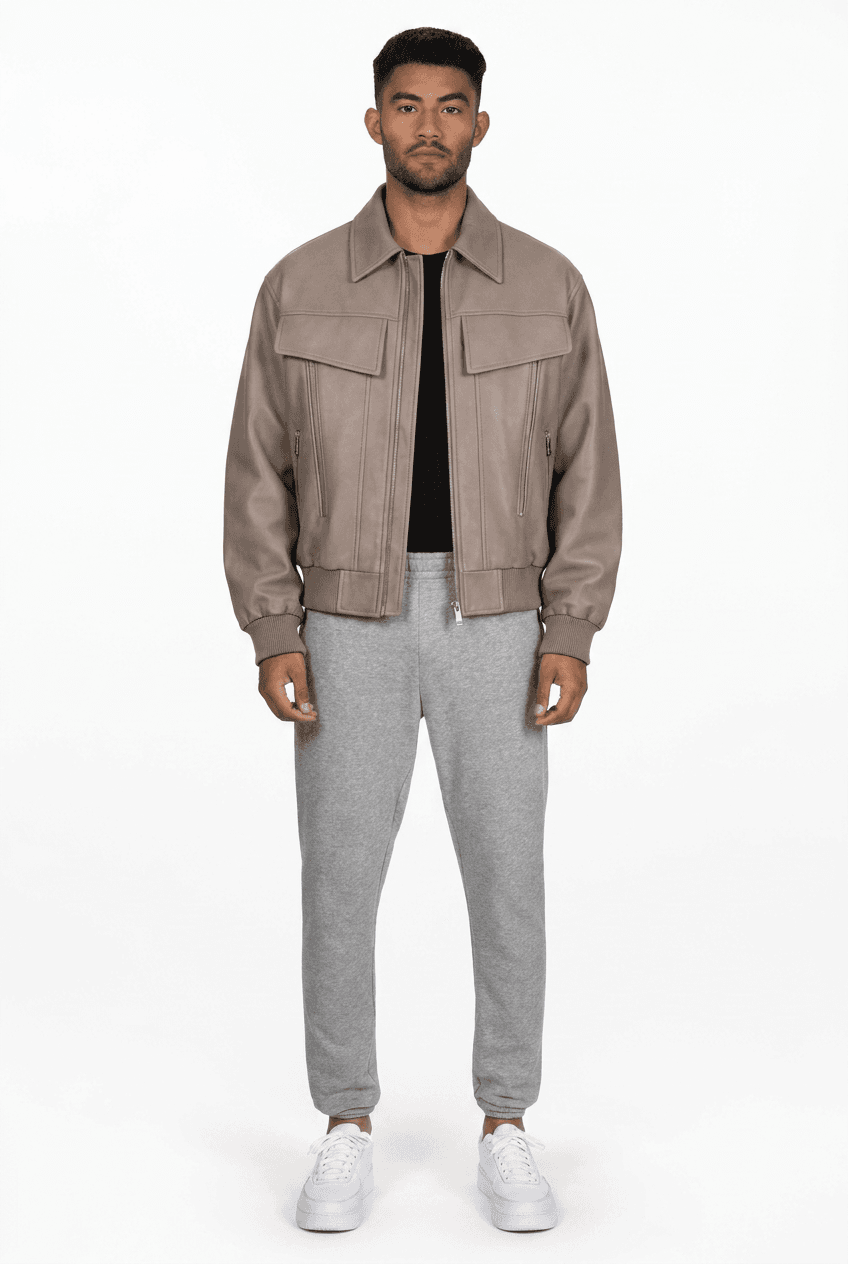
Recommendation engines personalize what you are shown. Virtual try-on personalizes what you can see yourself in. Generative AI now lets a shopper visualize a garment on their own photo without complex 3D modeling or a body scan, which is a meaningful jump from the older AR try-on attempts that needed special capture setups. This is also the piece with the most direct business case: fit uncertainty is the leading cause of fashion returns, and a realistic preview attacks that directly. See how to reduce online fashion returns for the full case.
Data-driven design is catching up to data-driven marketing
Fashion brands have used data for marketing for years. What is newer is AI reaching further upstream, into which silhouettes, colors, and cuts a brand should even make, informed by real signals rather than instinct alone. Whether or not a brand adopts AI design tools directly, the downstream effect is the same: shoppers increasingly expect the product itself, not just the marketing around it, to feel considered for them.
What this means for a fashion store today
- A single model photo is no longer the whole story. Shoppers increasingly expect to see a garment on a body closer to their own, whether that is diverse model imagery or a direct virtual try-on.
- Fit information has to be more concrete. A vague size chart is weaker than ever next to tools that show, rather than describe, how something fits.
- The bar for "personalized" keeps rising. What felt novel a year ago, a recommended product, now reads as table stakes. Seeing yourself in the product is the next expectation forming.
Where this is headed
The throughline across every one of these shifts is the same: less guessing, more showing. AI is not replacing the creative and editorial side of fashion; campaign photography and brand storytelling are not going anywhere. What it is doing is adding a personalized layer for each individual shopper on top of that, starting with the question that mattered most all along: how will this actually look on me.
That is the exact question Corlen is built to answer. For a closer look at two specific layers of this shift, see AI outfit generators (tools that assemble a full look rather than recommending one item at a time) and AI personal stylist apps (apps that learn an individual's taste and suggest accordingly). For how try-on is also reshaping the social shopping layer, see social commerce and virtual try-on. If you want to see it rather than read about it, try Corlen on your own photo in a few seconds, no account needed.
Frequently asked questions
How is AI changing online fashion shopping?
AI is moving fashion ecommerce from generic product pages to personalized ones, letting shoppers see recommendations tailored to them and, increasingly, see themselves in a garment through virtual try-on, rather than relying on a single model photo and a size chart.
What is generative AI virtual try-on?
It is a way of showing a shopper wearing a garment using AI image generation, from an ordinary photo, without a 3D body scan or complex modeling. It renders the chosen clothing realistically onto the person's own photo.
Will AI replace fashion models and photographers?
AI is adding a new, personalized layer rather than replacing brand photography outright. Campaign imagery still comes from real shoots. What AI adds is a personalized layer on top: showing each individual shopper how a piece would look on them specifically.
Is AI-driven personalization actually reducing returns?
Reducing the mismatch between what a shopper expects and what arrives is the direct mechanism, since fit and expectation mismatch are the leading causes of fashion returns. Tools like virtual try-on target that mismatch specifically.
Ready to add real try-on to your store?
Install Corlen on Shopify in minutes, or build it into your own platform with the developer API.
Similar posts
Virtual Try On for Luxury Fashion: Why High AOV Makes It Essential
Luxury fashion returns are fewer but far more expensive per item. Virtual try-on helps high-end brands protect margins, reduce costly returns, and maintain brand presentation online.
Read articleAI FashionWhat Is an AI Outfit Generator, and How Does It Differ From Try-On?
AI outfit generators suggest clothing combinations. How they work, how they differ from virtual try-on, and why that difference matters before you buy.
Read articleGuidesHow to Measure Virtual Try-On Results on Your Store
A store owner's guide to checking whether virtual try-on works: which four metrics to track, how to set a baseline, and how to read the results honestly.
Read articleSee it on your own photo
Corlen shows your customers how any garment looks on their own body, in seconds. Try it free, no account needed.
Try Corlen free